

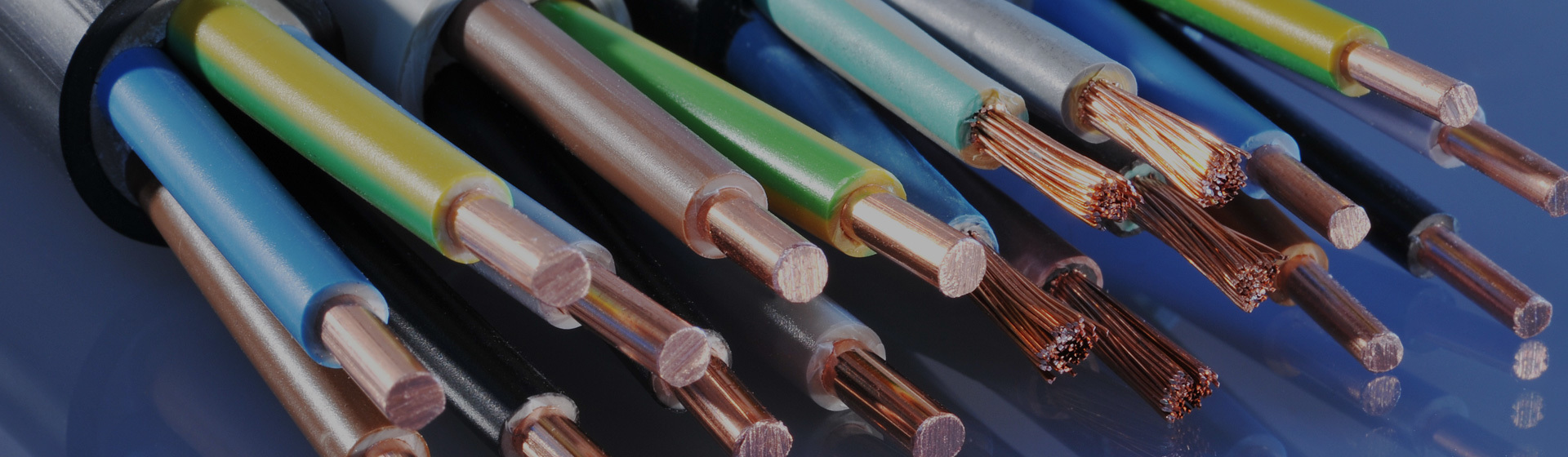
Provide customers with comprehensive cable product solutions
Product Center

Suitable for overhead power lines with an exchange rated voltage of 35KV and below, used in towns, high-rise buildings and forest areas with high safety requirements.

This product is suitable for automatic control, monitoring circuits, protection lines and other systems with a rated AC voltage of 450/750V or less at power frequency. It is fixedly installed indoors in various industries such as metallurgy, electric power, and construction.

This product is suitable for automatic control, monitoring circuits, protection lines and other systems with a rated AC voltage of 450/750V or less at power frequency. It is fixedly installed indoors in various industries such as metallurgy, electric power, and construction.

This product is suitable for automatic control, monitoring circuits, protection lines and other systems with a rated AC voltage of 450/750V or less at power frequency. It is fixedly installed indoors in various industries such as metallurgy, electric power, and construction.

This product is suitable for automatic control, monitoring circuits, protection lines and other systems with a rated AC voltage of 450/750V or less at power frequency. It is fixedly installed indoors in industries such as metallurgy, electric power, and construction.
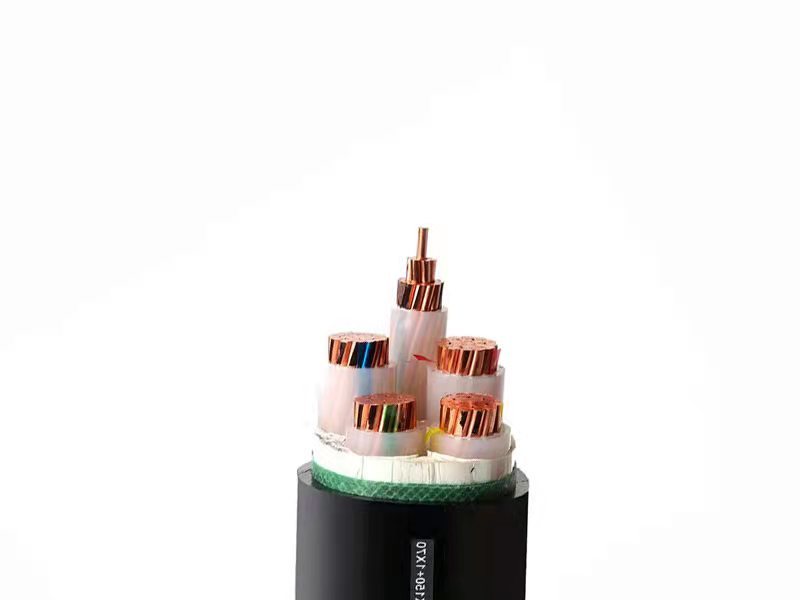
Selection of the conductor cross-sectional area for low-voltage power cables must consider four conditions simultaneously: economic current density, safe current carrying capacity, voltage loss, and mechanical strength. During calculation, one condition is prioritized while verifying that the other three conditions are also met.
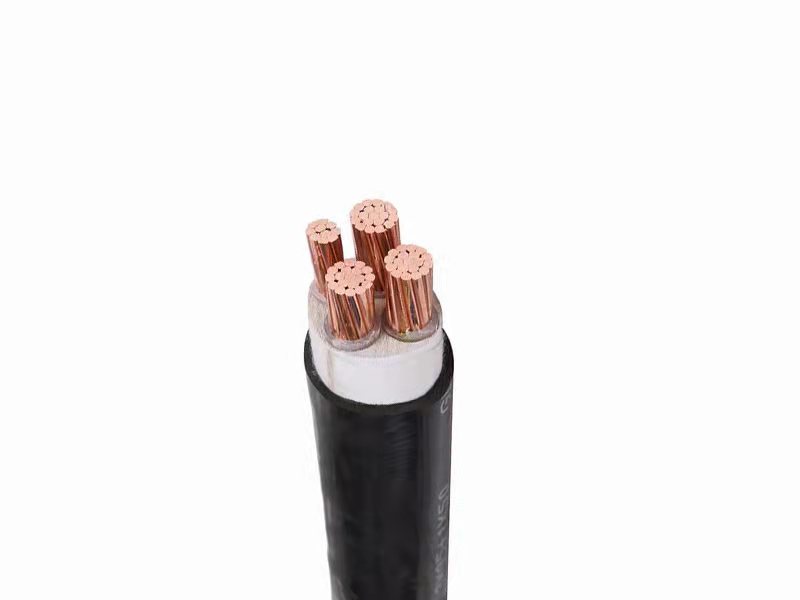
Selection of the conductor cross-sectional area for low-voltage power cables must consider four conditions simultaneously: economic current density, safe current carrying capacity, voltage loss, and mechanical strength. During calculation, one condition is prioritized while verifying that the other three conditions are also met.

Selection of the conductor cross-sectional area for low-voltage power cables must consider four conditions simultaneously: economic current density, safe current carrying capacity, voltage loss, and mechanical strength. During calculation, one condition is prioritized while verifying that the other three conditions are also met.
Fenghua Cable
Tel:+86-319-5464888
Mobile:+86-13991965068
Mobile:+86-13722886636
Email:ceo@fhcable.com
Address: No. 6, Fenghua Road, Xihougao Industrial Zone, Ningjin County, Hebei Province, China

Mobile Website
